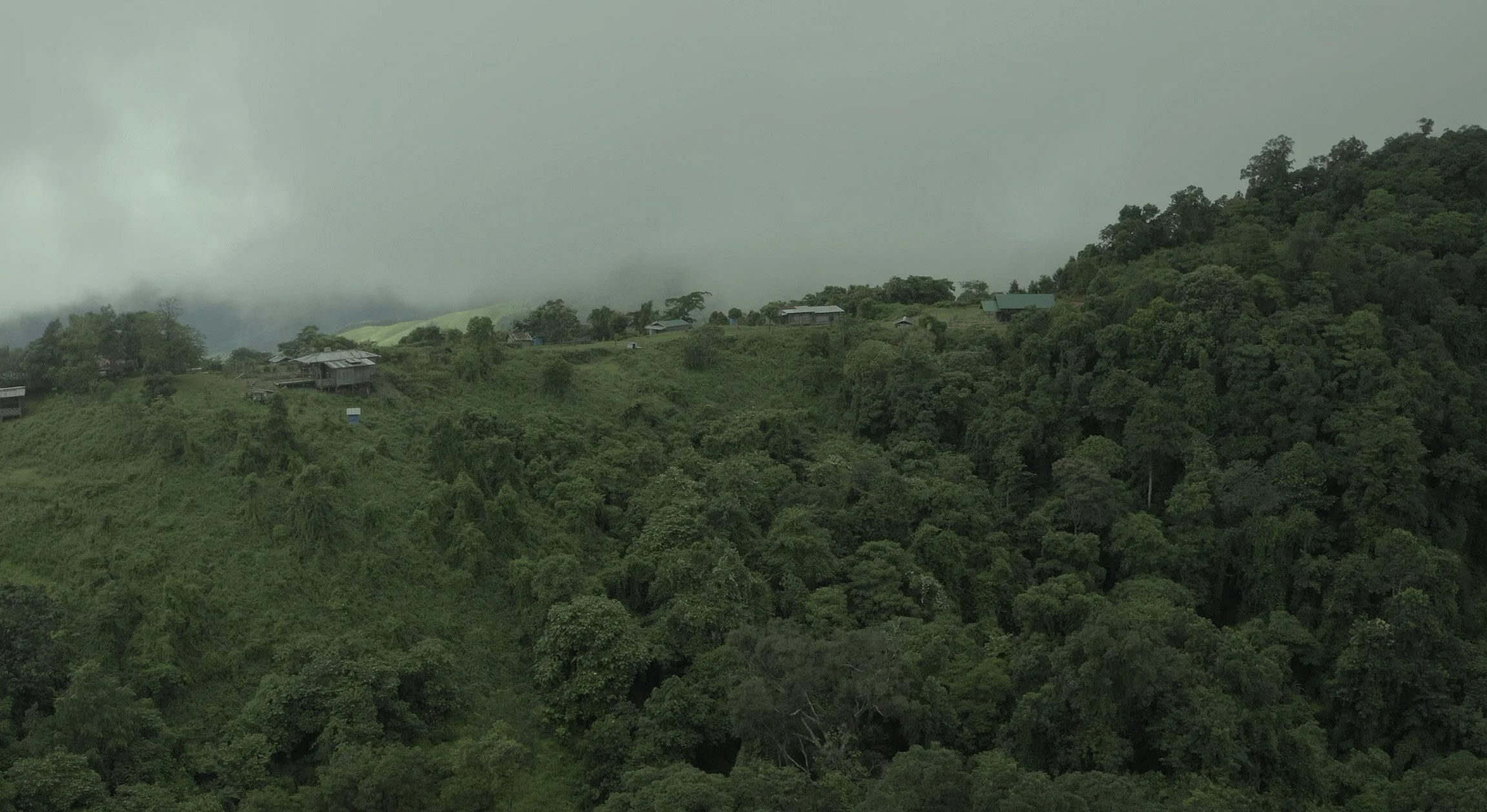
Seeds of Hope
Project Paused
Through the generosity of our supporters, coffee farms were successfully started in a remote village and surrounding villages. Because of the current unrest in Myanmar, this work is on hold for now, and we are not accepting donations for Seeds of Hope at this time. The story below is kept as a record of the project, and we look forward to resuming it when conditions allow.
“In the midst of the Opium crisis, our vision is to empower farmers with the knowledge and tools to build sustainable businesses in coffee.”
Watch this short but powerful film which describes how MyHope is partnering with a remote village in the battle against opium production and addiction.
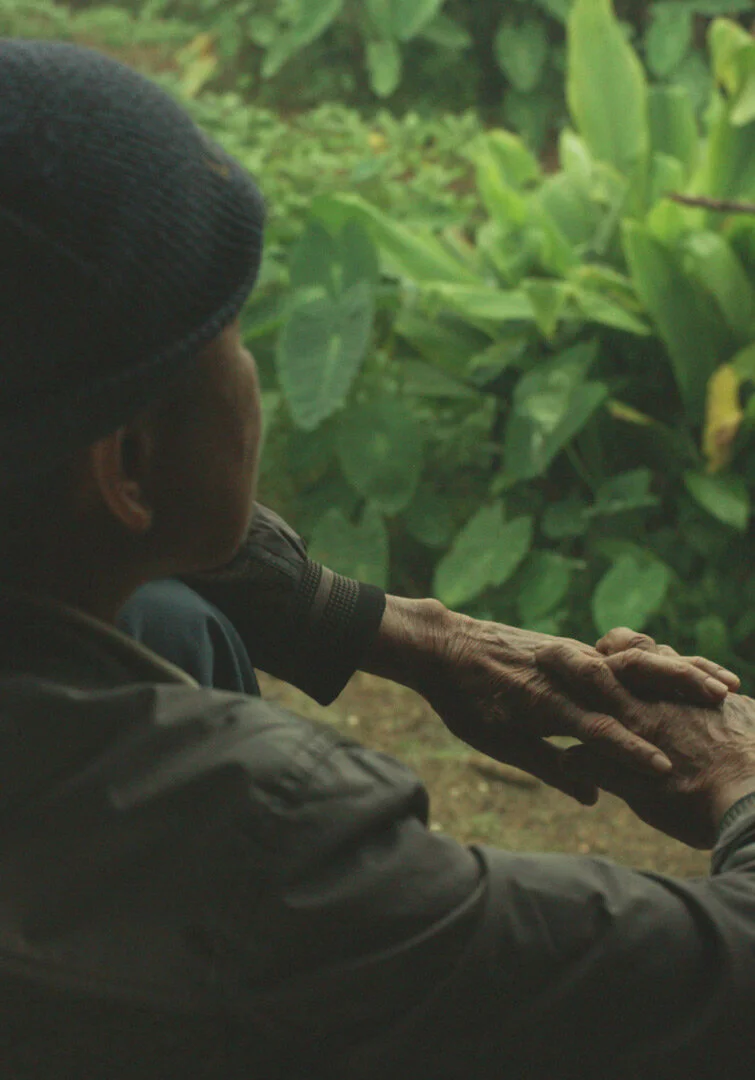
“We are in extreme poverty. If we do not grow opium, we cannot live.”
— Villager, Chin State, Myanmar
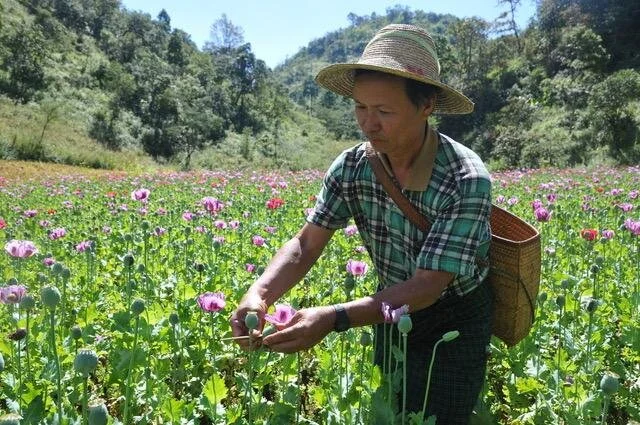
Myanmar is the worlds second-largest opium producer.
Myanmar is one of three countries that make up the infamous “Golden Triangle”. The so-called “Golden Triangle” produces about twenty-five percent of the total heroin used in the world.
This is the area where the borders of Myanmar, Thailand, and Laos meet at the confluence of the Ruak and Mekong rivers. The area of Myanmar that lies within the “Golden Triangle” is Shan State in the east and Kachin State in the north.
But did you know that there is another area in Myanmar where a significant level of opium is produced, but which does not get much attention from the world powers? That area is Chin State and Sagaing Region in western and northwestern Myanmar, where we do most of our work.
Why Opium?
Opium is harvested from the poppy plant, and is used to make the highly addictive narcotic known as heroin. Most of the opium produced in Myanmar is trafficked into China, which is both a major consumer and transporter of the resulting heroin and heroin base.
Poppy plants thrive in the Myanmar ecosystem, and are much easier to grow and cultivate than other crops. When growing corn, for instance, a farmer must watch the field night and day to protect it from the monkeys who steal the ears of corn. Rice is vulnerable to field rats, drought, and more. But monkeys and rats do not bother with a field of poppy flowers.
In addition to the ease of cultivation, a farmer can make anywhere from ten to twenty times as much money harvesting and selling opium than from other crops. One farmer told us, “In a good year I might make $500 planting rice and other vegetables. I can make $5,000 planting poppies.”
But isn’t that illegal?
Yes! The farmers know that if they get caught growing and transporting opium they will go to prison. But many of them feel like they have no other choice.
One reason they are feeling pressured is that climate change is affecting their ability to grow traditional crops. Droughts seem to be occurring more often, as are floods and other ecological problems. In addition to the climate working against them, new land laws put in place by the central government have restricted many villages from practicing their traditional farming techniques.
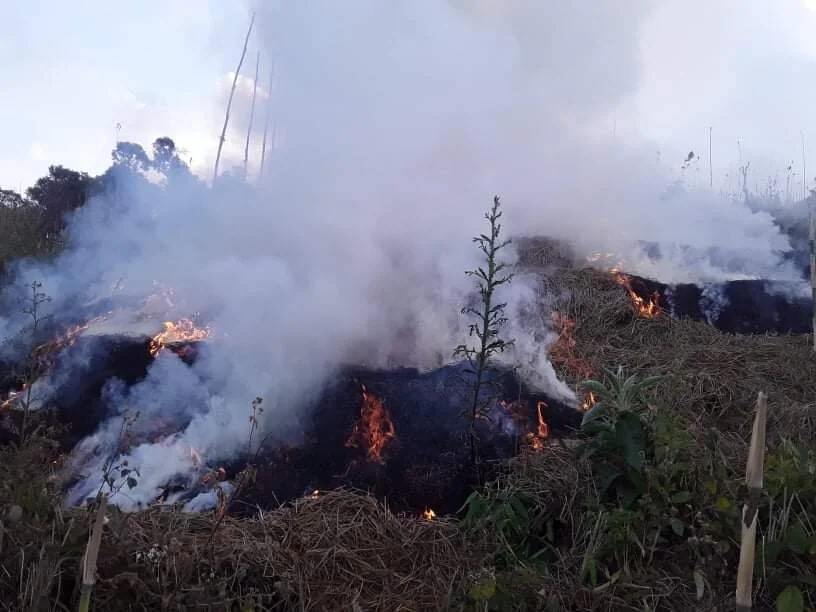
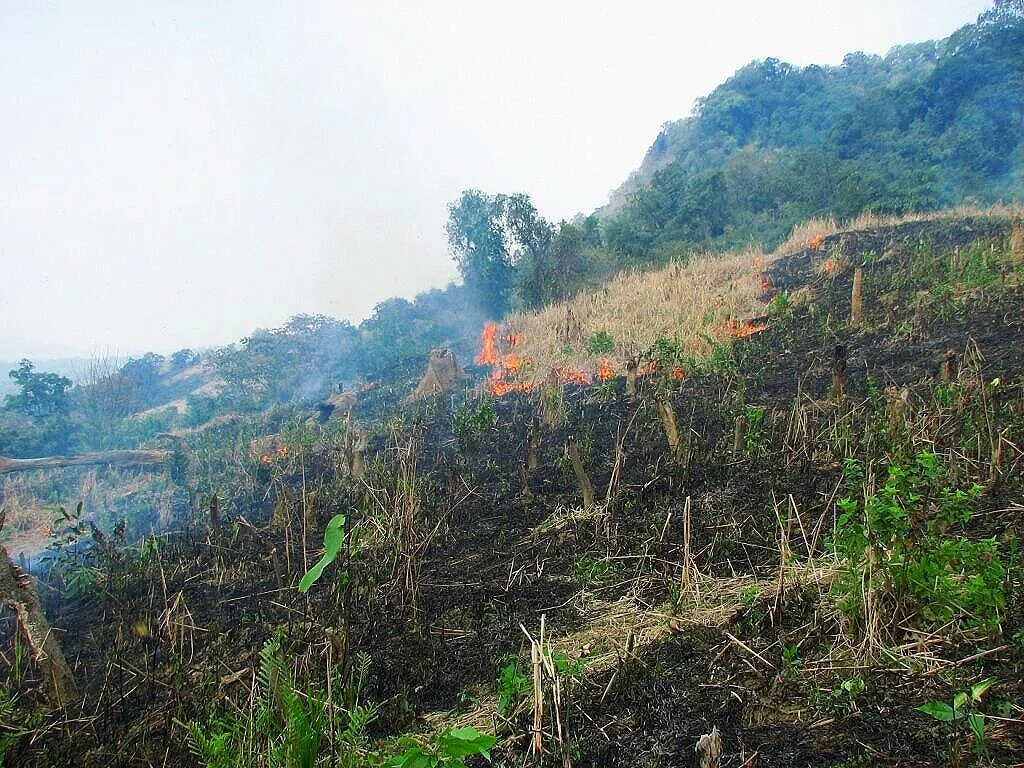
in the past, a mountain village would cultivate the surrounding hills using a “slash and burn” farming technique. Each year they would work a different area around the village, until all of the available land was used up. Then they would pick up and move the whole village to another place and start over. After ten or twenty years, they would return to the original hill and start over, the land having had time to replenish itself in the meantime.
Now, because of the new land laws, and because of the ever expanding population, it is much harder, if not impossible, for a village to farm this way. But even if it was still possible, this kind of slash-and-burn cultivation never produces enough for a farmer to really get ahead in life, to send his children to school, or to save for the future. It is basically just a way to survive until the next harvest.
Desperate for a Better Way
Many remote villages, living under the pressures of extreme poverty, have given in and started cultivating poppies and selling the resulting opium. These villages are being torn apart by the results. Families are broken up when fathers and mothers are caught and put in prison for years at a time. Villagers young and old, initially tempted by promises of big profits, become addicted to opium and heroin themselves. In fact, sometimes entire villages become addicted to opium and the results are heartbreaking.
But other villages, knowing how devastating the opium trade is and desiring to live a better life and leave a better legacy for their children, have resisted the temptation to give in. But each year, because of failed crops, higher costs of living, and their desire for a better life for themselves and their children, it is becoming much more difficult for them to say “no” to opium.
These villagers are desperate for another way, a better way, to make a sustainable living.
Planting Seeds of Hope
Dr. Nehkholal, seeing everyday the devastating results of the opium crisis on his people, began researching other crops that the mountain villages could grow instead poppies. The traditional crops of rice and corn were no longer working, so something else was needed.
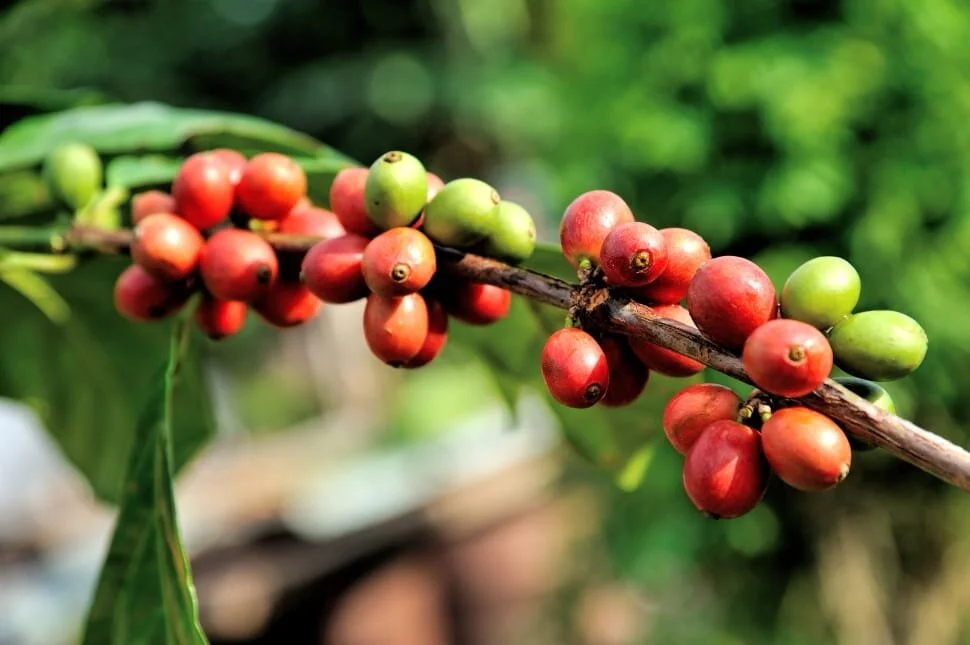
Eventually, he decided that coffee might be a viable alternative crop. It can be grown in place for long periods of time, it grows well at the elevation where many of these villages are located, and coffee production and consumption has seen strong growth in Myanmar as it modernizes and opens up more to the rest of the world.
Coffee has been produced in Myanmar for quite some time, but most of the production has been located in Shan State. Not long ago, coffee production was started in Chin State, and one Chin State coffee farm was recently awarded with the designation of “Best Coffee in Myanmar”.
The villages that we work with that are the most affected by the opium crisis are located in the hills and mountains of northern Chin State.
“Kinepna Muchi” means “Seeds of Hope” in the Kuki language. We believe that coffee beans might just be those much-needed seeds of hope!
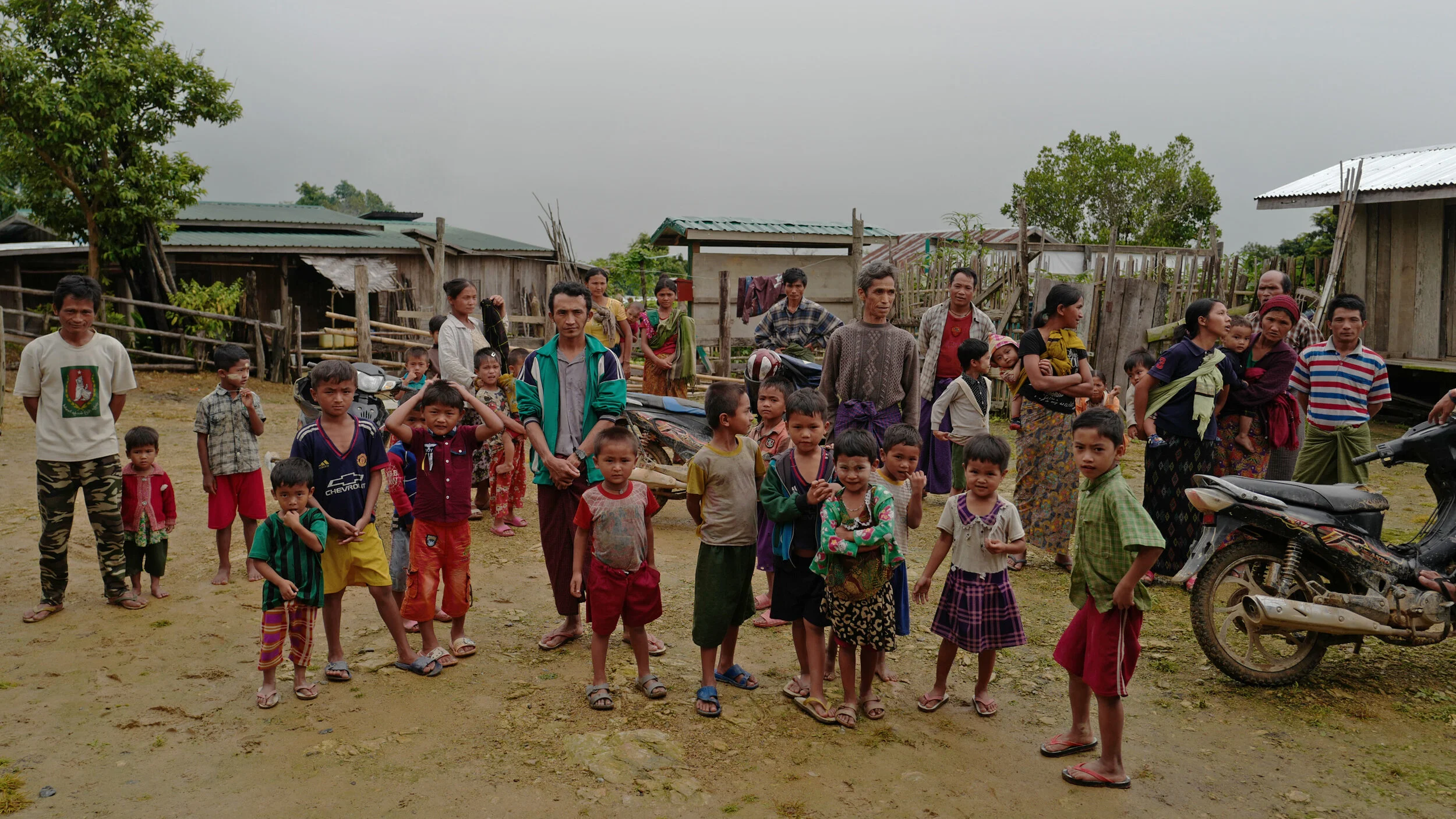
“Together, with MyHope, we can build a better legacy for our children, for our village and for our country.”
— The village chairman

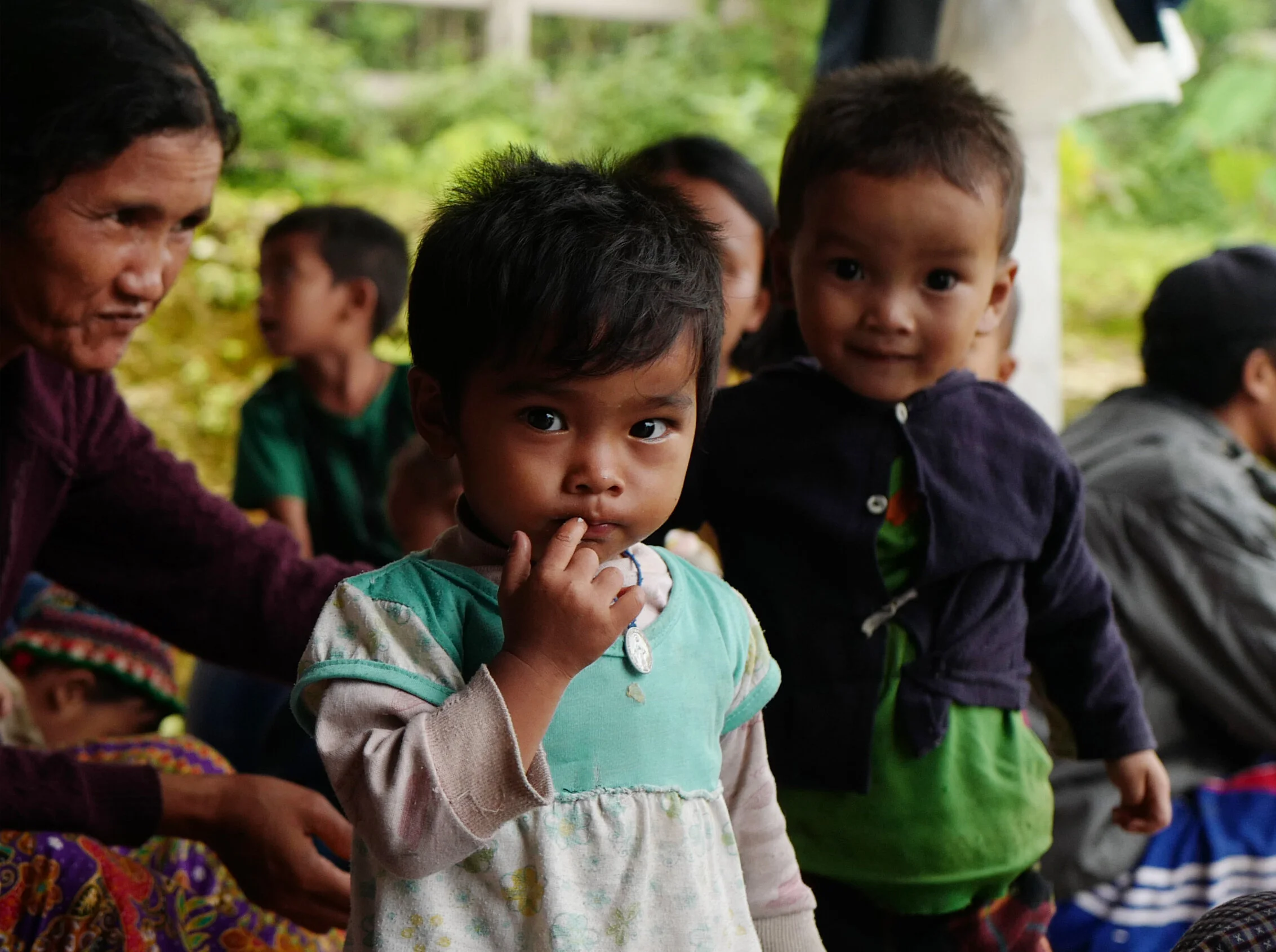
The Village
The village is located high on a mountain in northern Chin State. There are sixteen families in this Christian village, which has a total population of about 135 people.
Not long ago, the young chairman of the village reached out to Dr. Nehkholal.
He said that each year their fields have been producing less and less, and life in the village is getting much more difficult. Several young families have been pushing for the village to start farming poppies and selling opium so that they will have enough food to eat and will be able to send their children to school.
However, when the village was founded years ago, the elders made a law that no one in the village would ever grow opium. If anyone from the village wants to grow opium, they said, that person would have to leave the village and go somewhere else to live. They are still abiding by that law to this day.
But now times are getting more desperate, and they need help. They can no longer count on the traditional crops to provide for them, and they cannot move the village. They need a new source of income to sustain them and take them into the future.
MyHope has worked with this village in the past. We put in a new water system for them about ten years ago, and a few children from the village have attended or are attending Hope Boarding School in Yangon. The people of the village come to our bi-annual Christian Conference in Tamu. We know them, their lives, and their Christian character. And we want to help them by partnering with them for a long-term solution for their income crisis.
A Coffee Farm in the Village
The village is situated on a mountain, at an elevation of about 6,000 feet above sea level. It is surrounded by a vast, green, lush forest, and is therefore perfectly situated for growing coffee. We already know that coffee grows well in Chin State, and so the village should be a great place for a coffee farm.
Unfortunately for the families living in the village, though, it takes a lot of money and resources to start farming coffee on a scale large enough to support the whole village.
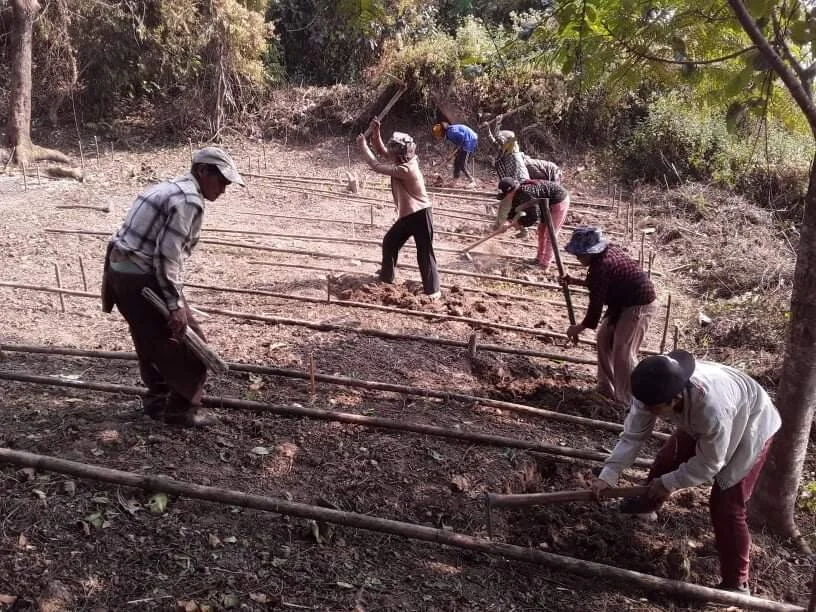
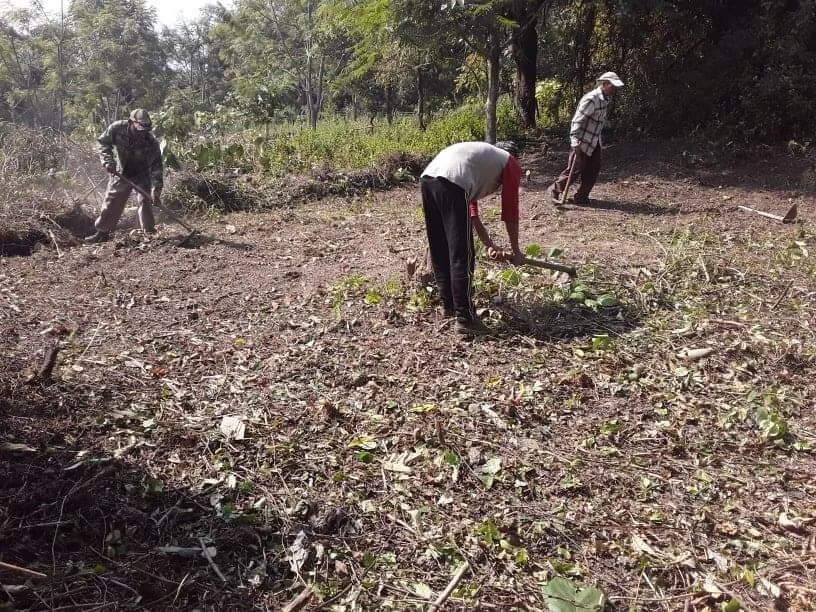
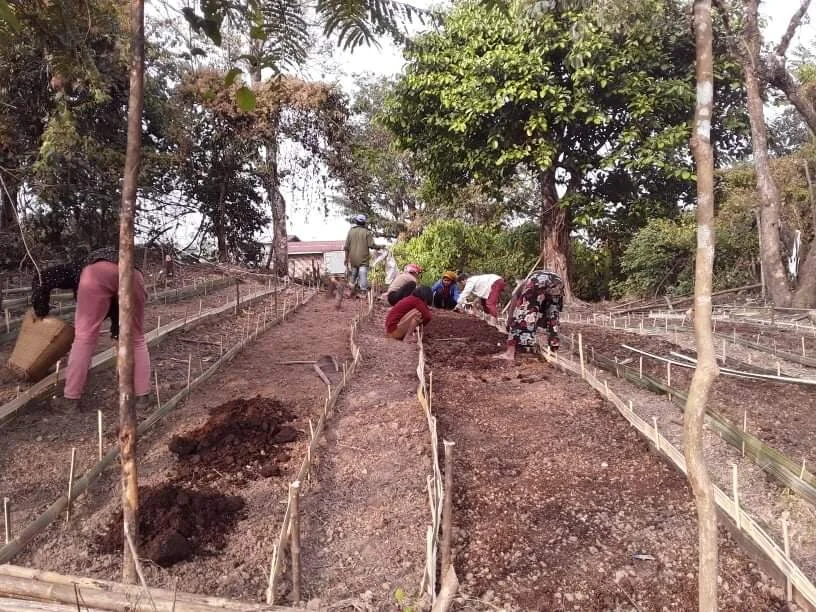
Dr. Nehkholal has done the research and has estimated that it will cost between $7,000 and $10,000 USD to establish a coffee plantation in the village. This includes clearing the forest, shaping the land, planting the coffee trees, planting appropriate shade trees if necessary, building facilities to process and store the beans, training the farmers, etc.
And after the farm is established, the village will continue to need financial help for a few years until the farm is producing enough to provide them with enough income.
Now, for a village already living in conditions of extreme poverty, seven thousand dollars might as well be seven million or seven gazillion. In other words, It is completely out of their reach! They could never even start, let alone complete, a project like this on their own.
That is where you and I come in! We have a rare opportunity to partner with these villagers, to transform their lives and their community, and to provide hope and a future for their children. You can be among the first to help establish a new coffee growing ministry in this very remote area of Myanmar. And, God willing, when the beans have been harvested, cleaned, dried, and roasted, then you will be able to taste the results!
It will cost between $7,000 and $10,000 to get the coffee farm established, and then we need to help the villagers for the next few years until the coffee trees are producing enough to supply their income needs,
Latest Updates
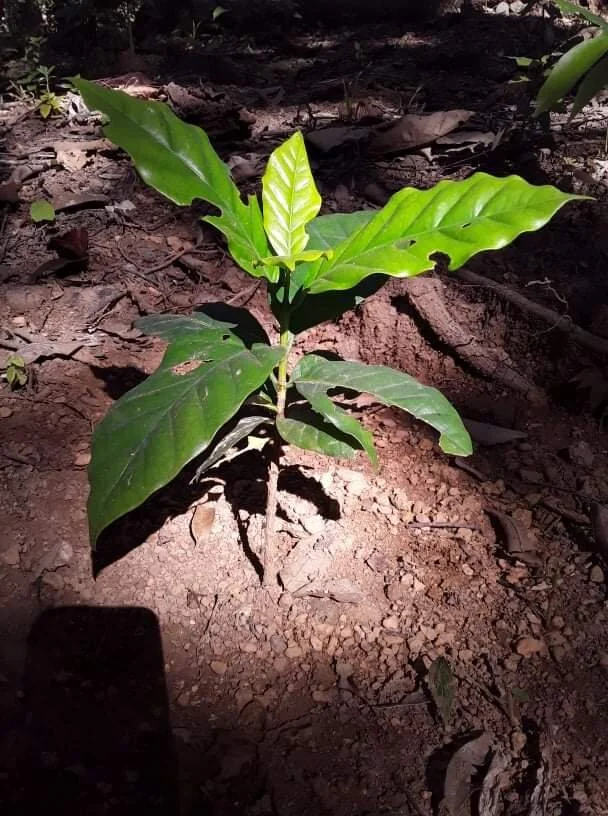
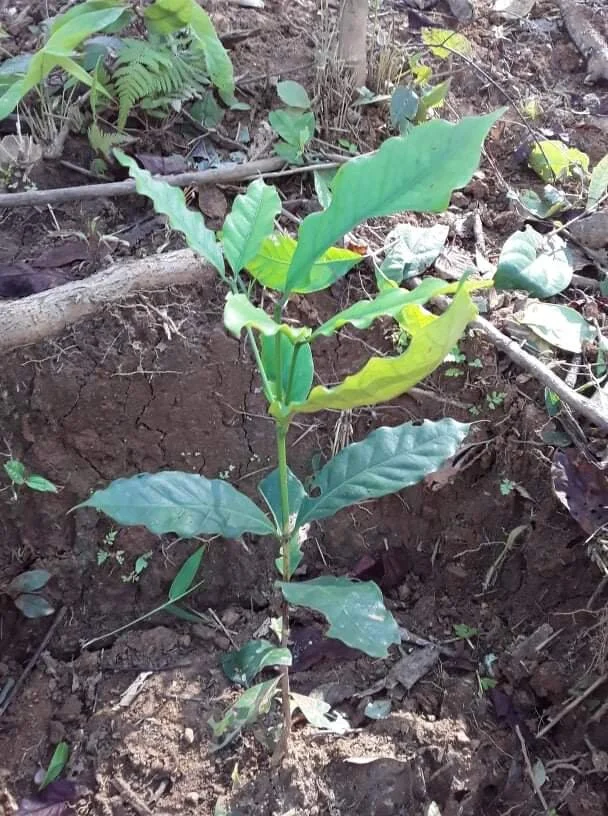
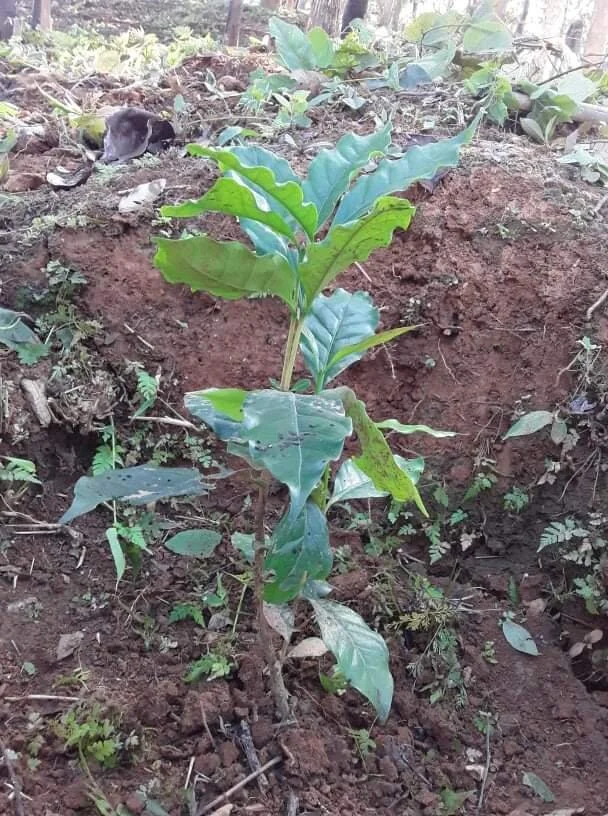
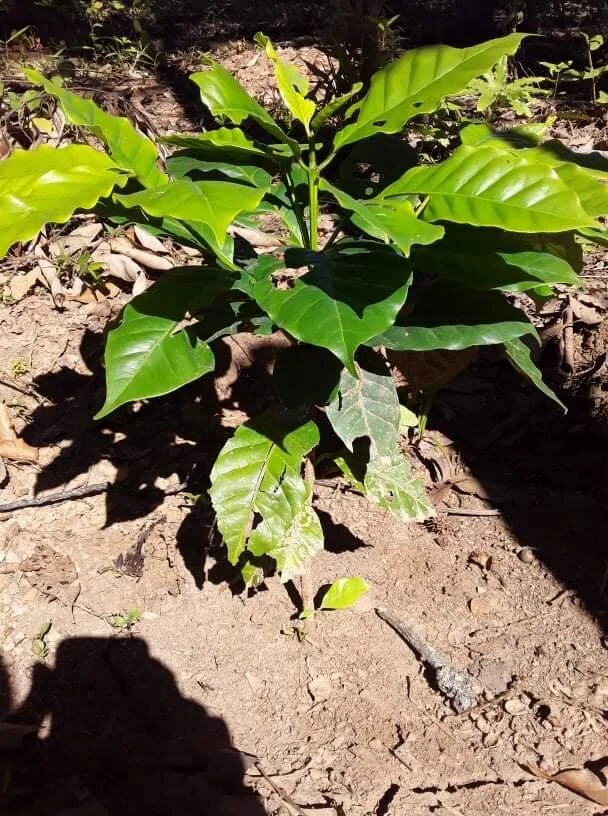
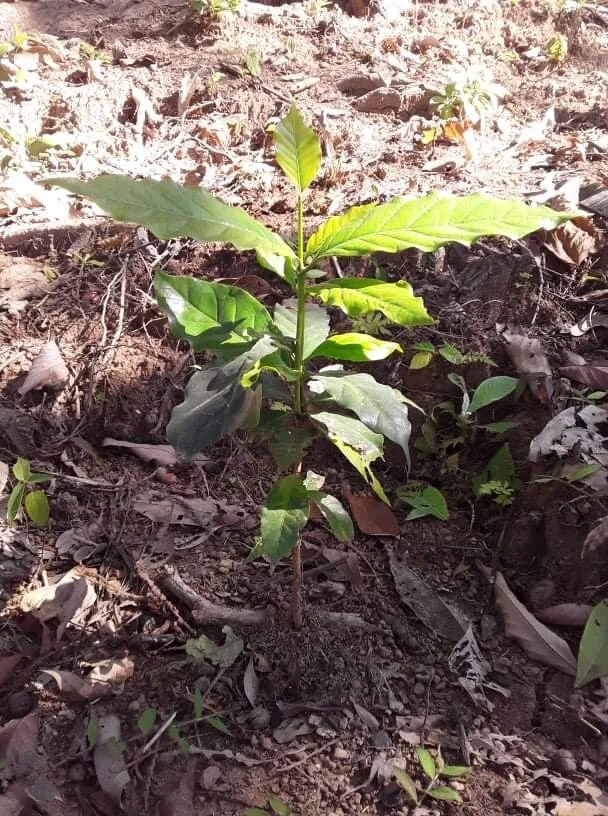
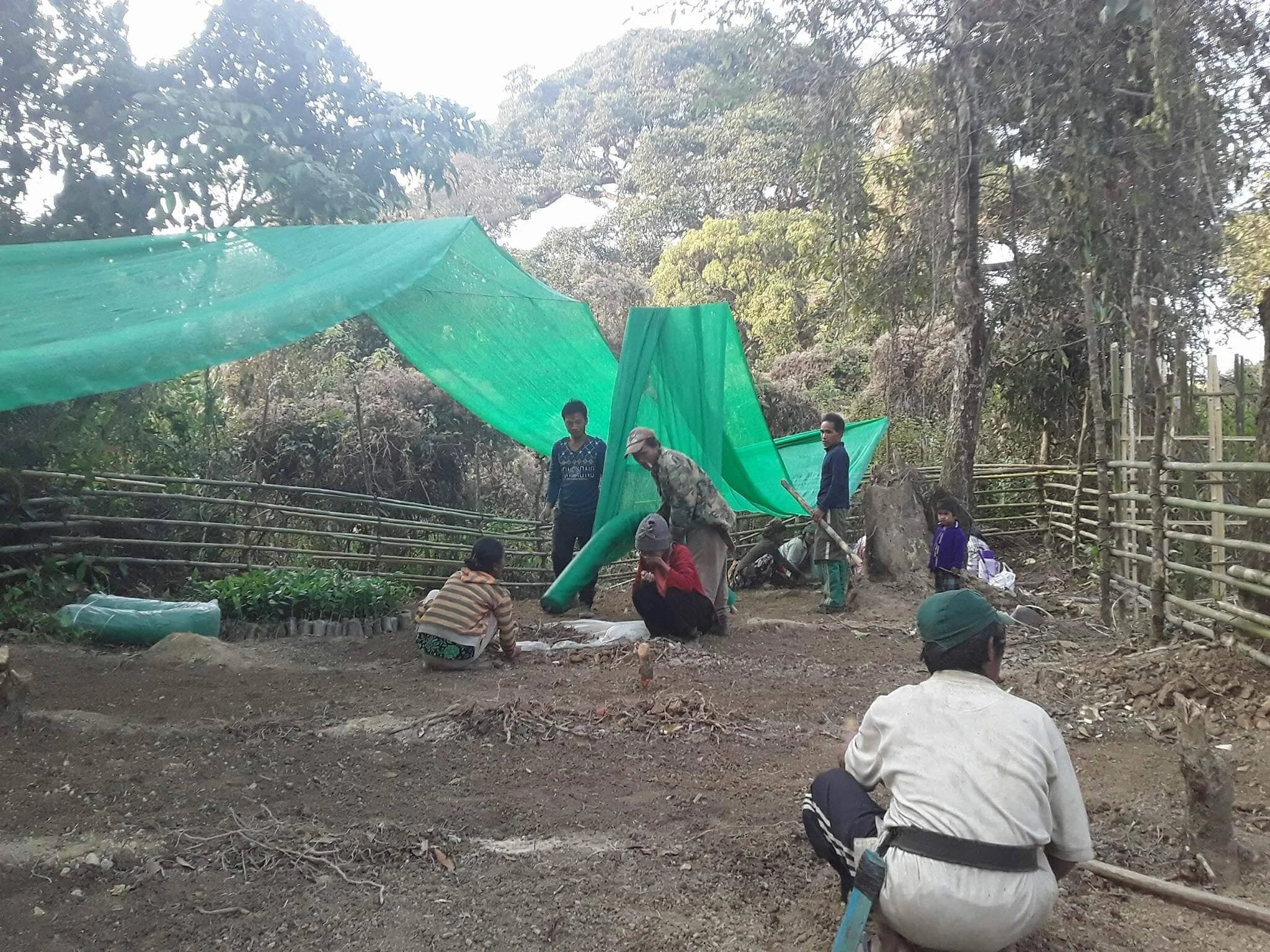
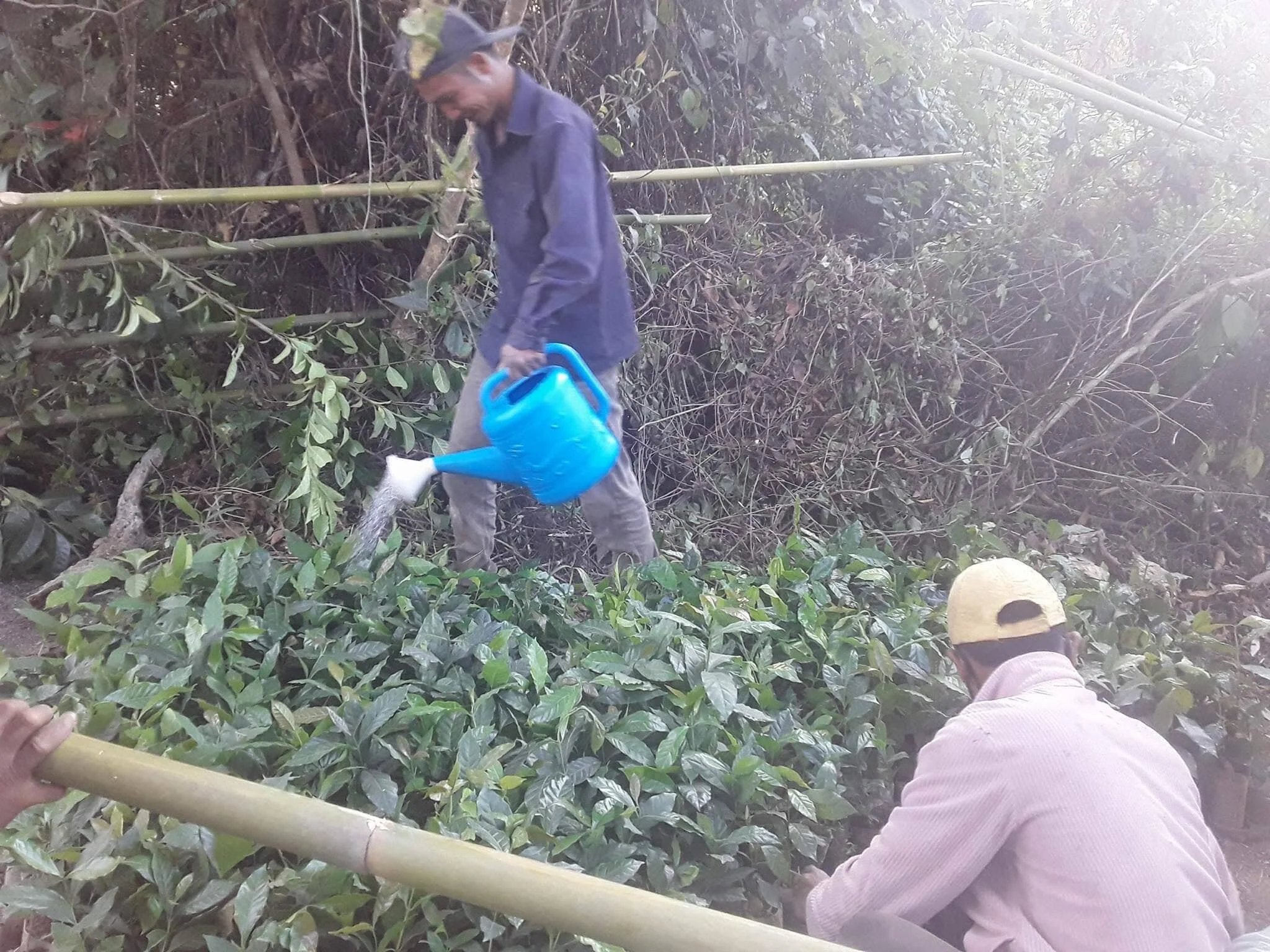
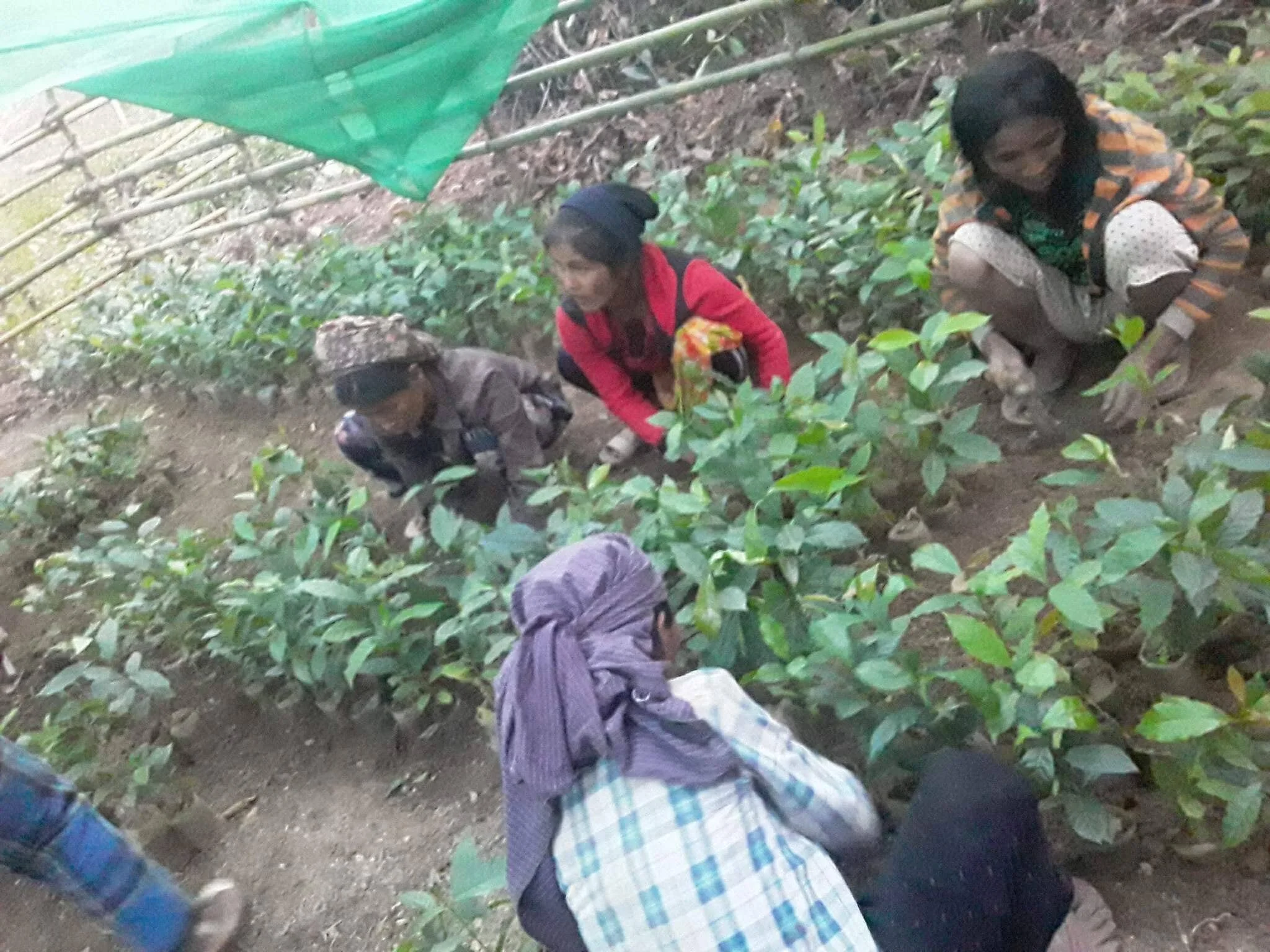
- June 2020: Myanmar Hope provided 11,000 coffee saplings to the families in the village. These saplings were planted on eleven acres surrounding the village.
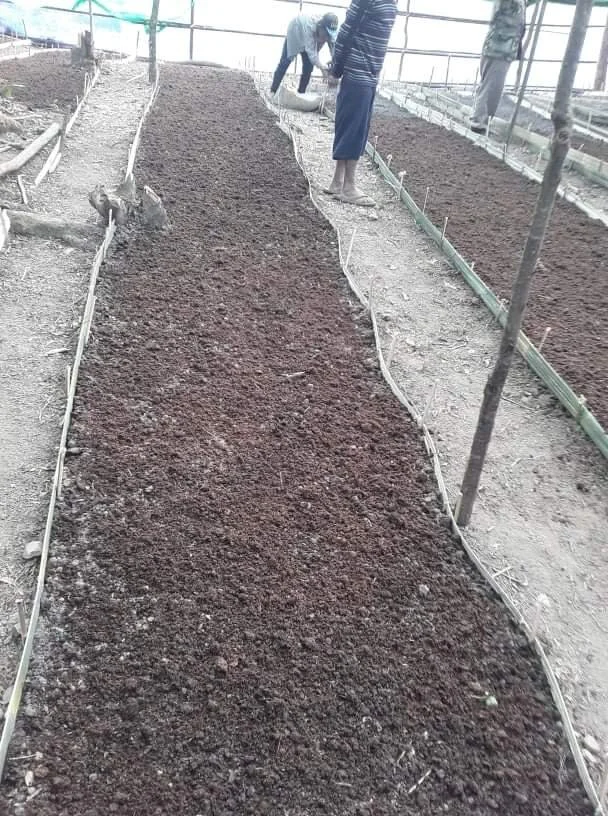
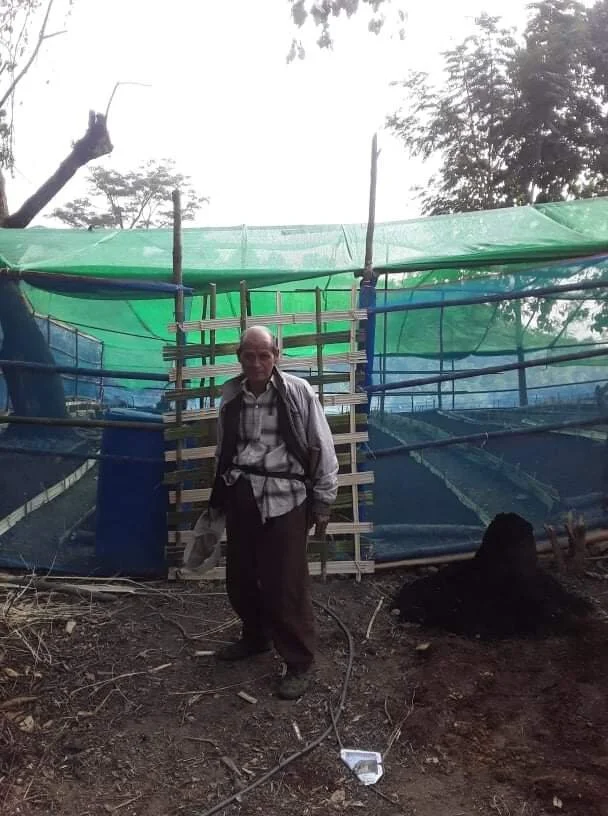
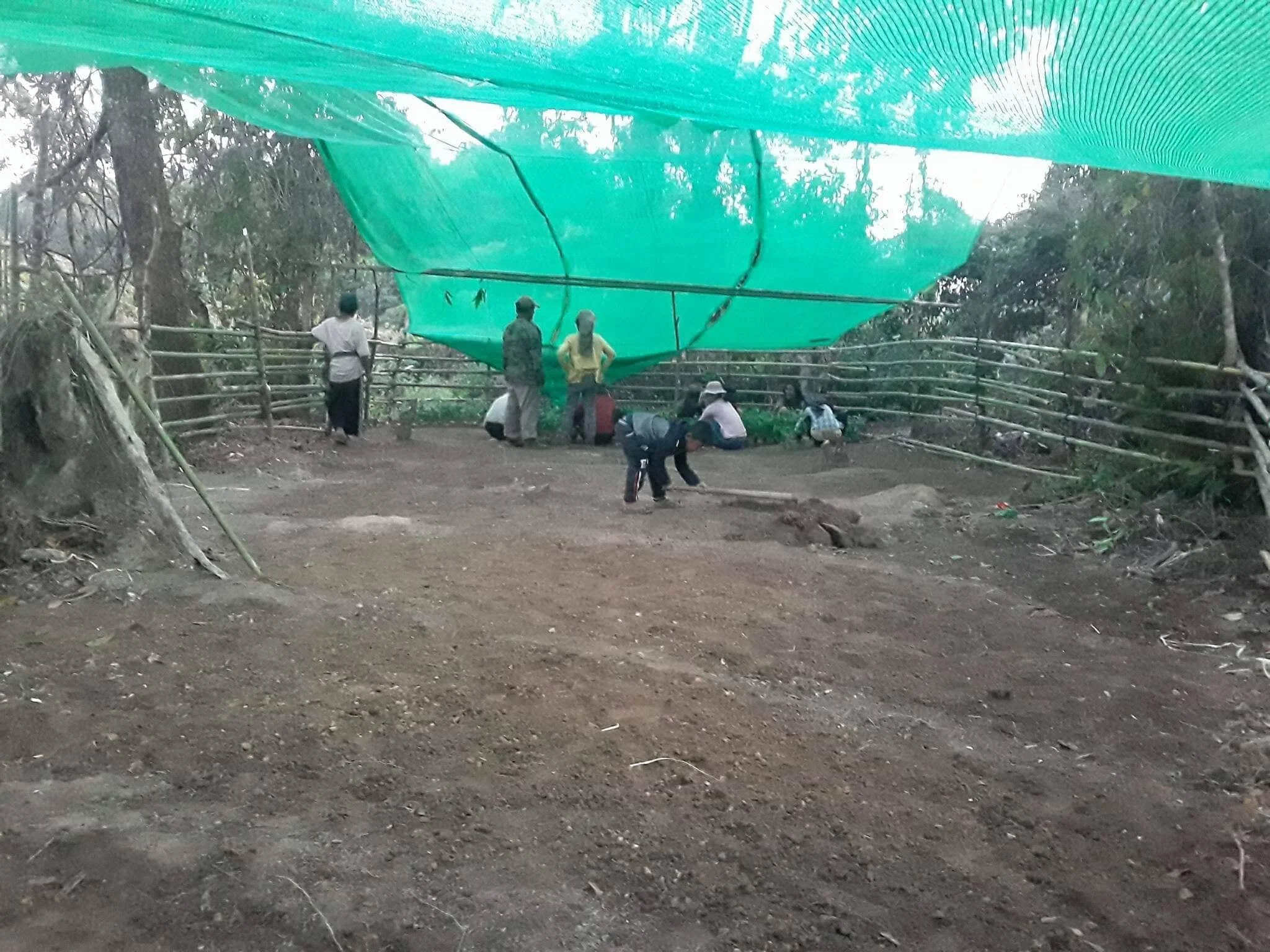
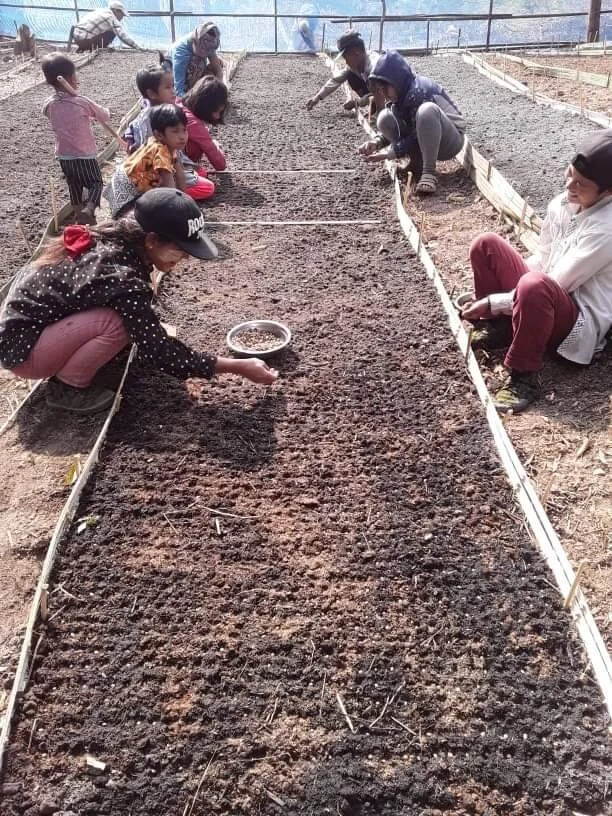
- January 2021: Another 40,000 coffee seeds were planted in the village. These will be replanted at two more nearby villages.
- June/July 2021: The new saplings were delivered to the surrounding villages and families and have been successfully planted.